
Winter in Greenville might not be Minnesota-level brutal. But, when that first cold snap rolls through, you really want your heater working. Trust us... there's nothing worse than realizing your furnace gave up the ghost on the coldest night of the year. So let's talk about getting your system ready before you actually need it.
Get Your Tune-Up Scheduled Now
(Seriously, Right Now)
Here's the thing: everyone waits until the first freeze to call their HVAC tech. Then they're shocked when they can't get an appointment for two weeks. Don't be that person. A fall tune-up catches the small stuff before it becomes expensive stuff. This includes things you'd usually never think about, like igniters that are about to fail, drains that are almost clogged, or motors that are running on borrowed time.
And if you've got a gas furnace? This isn't optional. A cracked heat exchanger or ventilation problem can create a carbon monoxide situation, and that's genuinely dangerous. Your tech will check all that during a tune-up and give you peace of mind.
Change Your Air Filter
(Yes, Again)
We know, we know... you just changed it. But a dirty filter makes everything harder on your system. It's like trying to breathe through a pillow. Your furnace runs longer, your energy bill creeps up, and all those motors and fans wear out faster than they should.
Kick off heating season with a fresh filter, then peek at it once a month. Got pets? Allergies? You might need to swap it even more often. It's one of those five-dollar fixes that prevents five-hundred-dollar problems.
Give Your Thermostat Some Attention
If your thermostat is still set for summer, you're probably either freezing or wasting money. Maybe both. Switch it over to heat mode and adjust your schedule for how you actually live in winter.
Most people are comfortable at 68 degrees when they're home. Drop it down by 10-12 degrees while you're sleeping or out running errands. This is a simple step that can shave about 10% off your yearly energy costs. Oh, and keep that fan on AUTO instead of ON. Otherwise, you're just blowing cold air around between heating cycles, which defeats the whole purpose.
Make Sure Air Can Actually Flow
Walk around your house and check that your vents aren't buried under furniture, blocked by curtains, or covered by that rug you threw down last month. When air can't move freely, your system has to work way harder, and that leads to breakdowns you don't want.
While you're at it, make sure the louvers on your vents actually move, and wipe off any dust that's built up. It takes five minutes and makes a real difference in how well your system works.

Show Your Outdoor Unit Some Love
Whether you've got a heat pump or an AC unit sitting outside, it needs a little attention too. Trim back any plants that got a little wild over the summer and clear away leaves or other junk. You want at least two feet of breathing room all the way around.
If it's an air conditioner, flip the breaker off so it doesn't accidentally kick on during a random warm day. You can put a piece of plywood on top if debris is an issue, but skip the full cover... you'll just trap moisture and cause rust.
Heat pump owners: don't cover yours at all. Just keep snow and ice cleared away if we get any winter weather.
Take It for a Test Drive
Don't wait until you're shivering to find out your system doesn't work. Crank the thermostat up a few times this fall and let your furnace run through a full cycle. Do this at least three different times. It'll help you catch issues like slow ignition, weird noises, or rooms that just won't warm up.
If something smells funky or sounds off, deal with it now while you've got options. Waiting until you're desperate means paying emergency rates and sitting around freezing while you wait for an appointment.
Listen to What Your System Is Telling You
Your furnace shouldn't sound like it's auditioning for a horror movie. If you hear banging, constant clicking, or weird buzzing, something's wrong. Clicking that won't stop might mean ignition issues. A loud bang at startup could be delayed ignition, which you really need to get fixed ASAP. Scraping, rattling, or whining usually means something's up with the blower motor or belt.
Pay attention to how it sounds when it starts up, while it's running, and when it shuts off. Catching problems early is so much cheaper than dealing with them after everything breaks.
Check Those Belts and Motors
If your blower uses a belt (not all do), take a quick look. A cracked or loose belt won't turn the fan properly, which means your house won't heat properly. You'll end up fiddling with the thermostat constantly and never feeling quite comfortable.
If something feels off (maybe the air isn't moving like it used to) these mechanical bits are often the culprit.
Don't Ignore the Drain Line
High-efficiency furnaces produce water, and that water needs somewhere to go. If the drain gets clogged or the pump quits, you could end up with water damage or a system that just shuts down completely.
Check for standing water in the drain pan and look at that PVC pipe for cracks or blockages. If you have a condensate pump, make sure it's actually pumping. Water and your HVAC system don't play nice together, so get any issues fixed before they get worse.
Seal Up Those Leaky Ducts
If your ducts are leaking (and there's a good chance they are) you're basically heating your attic or crawlspace instead of your living room. We're talking up to 30% of your warm air just disappearing. That's why your bills are high and your back bedroom is still cold.
If you've got rooms that never seem to warm up no matter what you do, leaky ducts are probably why. Getting them sealed makes a huge difference in comfort and cost.
Get Your Humidifier Ready
Lots of homes around here have whole-house humidifiers hooked up to the HVAC. If you do, clean out the reservoir, swap in a new water panel, and make sure it's switched on for winter. Dry winter air is miserable... it messes with your breathing, dries out your skin, and can even crack your hardwood floors.
Just don't let it get too humid, or you'll end up with mold. Check the drain lines and make sure nothing's leaking or building up gunk.
Test Your Carbon Monoxide Detectors
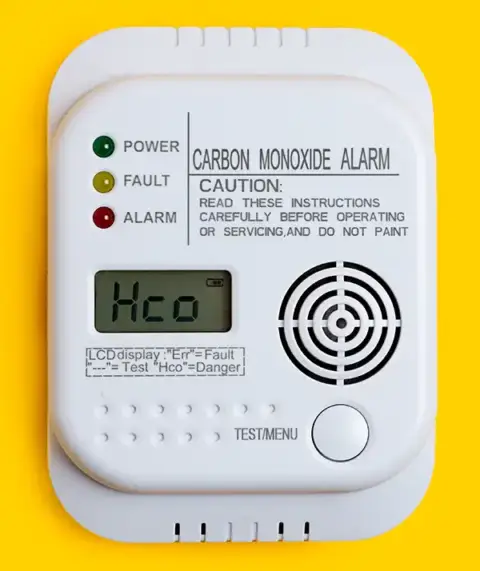
Anytime you're burning fuel for heat, carbon monoxide is a possibility. Hit that test button on your detectors and replace the batteries if you can't remember the last time you did.
If your detectors are more than 7-10 years old, replace them entirely. The newer ones work better and are more reliable.
Insulation Is Your Friend
A badly insulated attic or crawlspace will make your furnace run constantly and still leave you cold. Adding insulation up there keeps the heat where it belongs... inside your house. Insulating ducts in unconditioned spaces helps too.
There are lots of options, from spray foam to blown-in, so pick what works for your budget and your home.
Consider Zoning If You've Got Hot and Cold Spots
Ever notice how the upstairs feels like a sauna while the downstairs is an icebox? A zoning system can fix that. It uses dampers and separate thermostats to send heat exactly where you need it, which means less waste and more comfort.
You don't need a second HVAC unit, just some upgrades to your ductwork and controls. It's worth looking into if temperature battles are a constant thing at your house.
Fuel System? Don't Let Your Tank Run Dry
If you're running on propane or oil, get your delivery scheduled before everyone else panics and calls at once. Running out of fuel isn't just inconvenient, it can actually damage your tank and equipment.
Top off when you hit about 20-30% capacity. A wireless monitor makes it easier to keep track without constantly checking.
Have a Backup Plan for Outages
Power outages in winter aren't super common here, but they happen. A generator can keep your furnace running and prevent your pipes from freezing if the power goes out.
Make sure you get one with enough juice to handle the startup surge from your heating equipment. An electrician can install a transfer switch if you want to power more than just the basics.
Fix Problems Now, Not Later
Remember that weird noise from last winter that you decided to ignore? It's not going to fix itself. Waiting until December means emergency rates, limited availability, and a whole lot of stress.
If your furnace is 15-20 years old and starting to act up, it might be time to replace it before it completely dies. Making that decision on your timeline instead of in a panic gives you way better options.
Final Thoughts
Wright's Air has been keeping Greenville homes warm and comfortable for years. Whether you need a tune-up, a repair, or you're wondering if it's time for a new system, we've got you covered.
Call (903) 455-5662 to schedule your service today. Let's make sure you're ready for whatever winter decides to throw at us.